The Best Martial Arts Schools for Children in Chester County, PA (And How to Choose the Right One for Your Child)

If you’re a parent in Chester County searching for the best martial arts schools for children, let me ask you something first:

👉 Are you looking for a place where your child just “burns energy”…
Or a place where they actually learn to listen, focus, and carry themselves with confidence?

Because those are two very different things.

As a dad and co-owner of Dragon Gym Martial Arts & Fitness, I’ve had hundreds of conversations with parents—many of them feeling exactly like you might right now:

  • “My child doesn’t listen the first time.”
  • “Homework turns into a nightly battle.”
  • “I just want them to be more confident… without constantly nagging them.”

Sound familiar?

Here’s the truth most people don’t say out loud:

👉 The right martial arts school can change the way your child behaves at home, at school, and in life.
👉 The wrong one? It’s just another activity on your already packed schedule.

Let’s break down how to find the difference—and where to look right here in Chester County.


Why More Chester County Parents Are Choosing Martial Arts

When parents start searching for the best martial arts schools for children, they usually think about kicks, punches, and self-defense.

But the real value goes much deeper.

What Martial Arts Actually Teaches Kids

Think about your child for a second…

  • Do they get distracted easily?
  • Do they push back when you give instructions?
  • Do they give up when something gets hard?

Now imagine this instead:

  • They start tasks without being told three times
  • They finish what they start
  • They look adults in the eye and respond respectfully

That’s not wishful thinking. That’s what structured martial arts training builds.

The Core Benefits (That Parents Notice First)

1. Focus & Listening Skills
Kids learn to follow directions the first time—not the third or fourth.

2. Confidence That Shows Up Everywhere
Not loud, fake confidence—but real belief in themselves.

3. Discipline Without Constant Nagging
The structure of class carries over into home routines.

4. Physical Activity With Purpose
Yes, they move. But more importantly, they learn control.

Here’s the key:

👉 The environment matters more than the techniques.

Which brings us to the next question…


What Actually Makes the “Best” Martial Arts School?

Not all schools are created equal. And if you’ve been researching, you’ve probably noticed that already.

So how do you separate the good from the great?

1. Instructors Who Connect With Kids

It’s not enough to be skilled.

The best instructors:

  • Know how to redirect behavior without yelling
  • Build respect through structure and consistency
  • Make kids feel seen and capable

Ask yourself:
👉 Does this instructor understand kids, or just teach moves?


2. A Structured, Consistent Curriculum

Kids thrive on structure.

A strong program:

  • Builds skills step-by-step
  • Reinforces habits like focus and discipline
  • Creates clear expectations

If every class feels random, you’re not getting long-term results.


3. A Culture of Respect (Not Chaos)

You can feel this the moment you walk in.

Look for:

  • Kids paying attention
  • Instructors correcting behavior calmly
  • A positive, encouraging atmosphere

If it feels like organized chaos… trust your instincts.


4. Real Results From Other Parents

This is huge.

You want to hear things like:

  • “My child listens better at home now.”
  • “Homework is easier.”
  • “They’re more confident in school.”

Because at the end of the day…

👉 That’s what you’re really investing in.


Top Martial Arts Programs for Kids in Chester County

Now let’s talk about specific options.

If you’re looking for the best martial arts schools for children in Chester County, here are four standout programs that consistently deliver results for families.


Exton Area

If you’re near Exton, this program has become a go-to for parents who want structure, discipline, and confidence-building.

👉 Check it out here:
https://www.dragongym.com/reports/the-best-kids-martial-arts-program-in-exton-pa.cfm


Malvern Area

Families in Malvern love this location for its balance of high energy and strong structure.

👉 Learn more here:
https://www.dragongym.com/reports/the-best-kids-martial-arts-program-in-malvern-pa.cfm


Berwyn Area

This is a great fit for parents who want their kids to build focus and resilience in a positive environment.

👉 Explore the program:
https://www.dragongym.com/reports/the-best-kids-martial-arts-program-in-berwyn-pa.cfm


Phoenixville Area

For families in Phoenixville, this program emphasizes both skill development and personal growth.

👉 See details here:
https://www.dragongym.com/reports/the-best-kids-martial-arts-program-in-phoenixville-pa.cfm


A Real Question Every Parent Should Ask

Let me challenge you for a moment:

👉 What would your evenings look like if your child actually listened the first time?

No repeated instructions.
No power struggles over homework.
No constant reminders.

That’s the shift many parents experience when their child is in the right environment.

And it doesn’t happen overnight—but it does happen faster than most people expect.


What Most Parents Get Wrong When Choosing a Program

I see this all the time.

Parents choose based on:

  • Price
  • Location
  • Schedule convenience

And while those matter…

They miss the most important factor:

👉 Does this program build habits that carry over into real life?

Because if it doesn’t…

You’re just adding another activity—not solving the real problem.


How to Choose the Right School (Step-by-Step)

If you’re serious about finding the best martial arts school for your child, here’s exactly what to do:

Step 1: Visit in Person

Don’t rely on websites alone.

Watch a class. Observe the energy. Pay attention to how instructors interact with kids.


Step 2: Look at the Students

This tells you everything.

Are they:

  • Focused?
  • Respectful?
  • Engaged?

Or distracted and unfocused?


Step 3: Talk to Other Parents

Ask:
👉 “What changes have you seen in your child?”

Their answers will be more valuable than any sales pitch.


Step 4: Try a Class

This is where the decision becomes clear.

Your child will either:

  • Feel excited and motivated
    or
  • Feel disconnected

Trust that reaction.


The Bigger Picture Most Parents Don’t See

Here’s something I’ve learned after years of working with families:

👉 Martial arts isn’t about creating fighters.
👉 It’s about creating capable, confident young people.

Kids who:

  • Handle challenges without melting down
  • Take responsibility for their actions
  • Respect themselves and others

And as a parent…

That’s what you really want, right?


Final Thoughts: Choosing What Matters Most

If you’re searching for the best martial arts schools for children in Chester County, don’t just look for convenience.

Look for:

  • Structure
  • Consistency
  • Positive leadership
  • Proven results

Because the right environment doesn’t just change what your child does in class…

👉 It changes how they show up everywhere else.


Ready to Take the First Step?

If you’re even considering martial arts for your child, here’s my advice:

👉 Don’t wait until things get harder.
👉 Don’t wait until habits are more deeply ingrained.

Start now. Test it out. See the difference for yourself.

You can explore the top programs near you here:


And one last thought…

👉 What would it feel like to not dread homework time anymore?

That’s where this can lead.
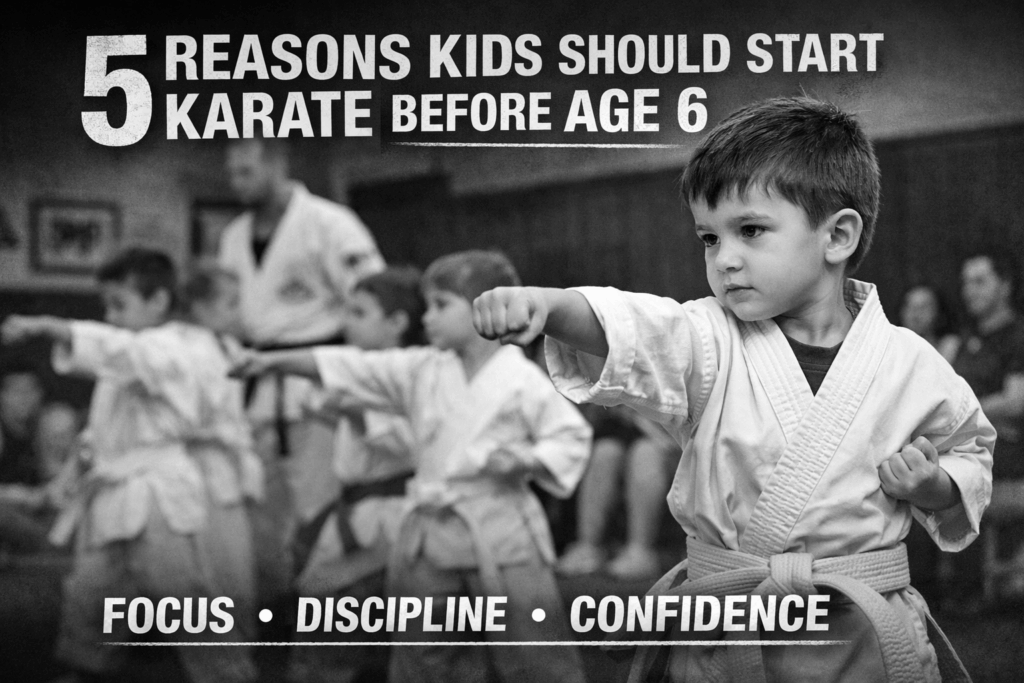
5 Reasons Kids Should Start Karate Before Age 6

Most afternoons at Dragon Gym look the same.

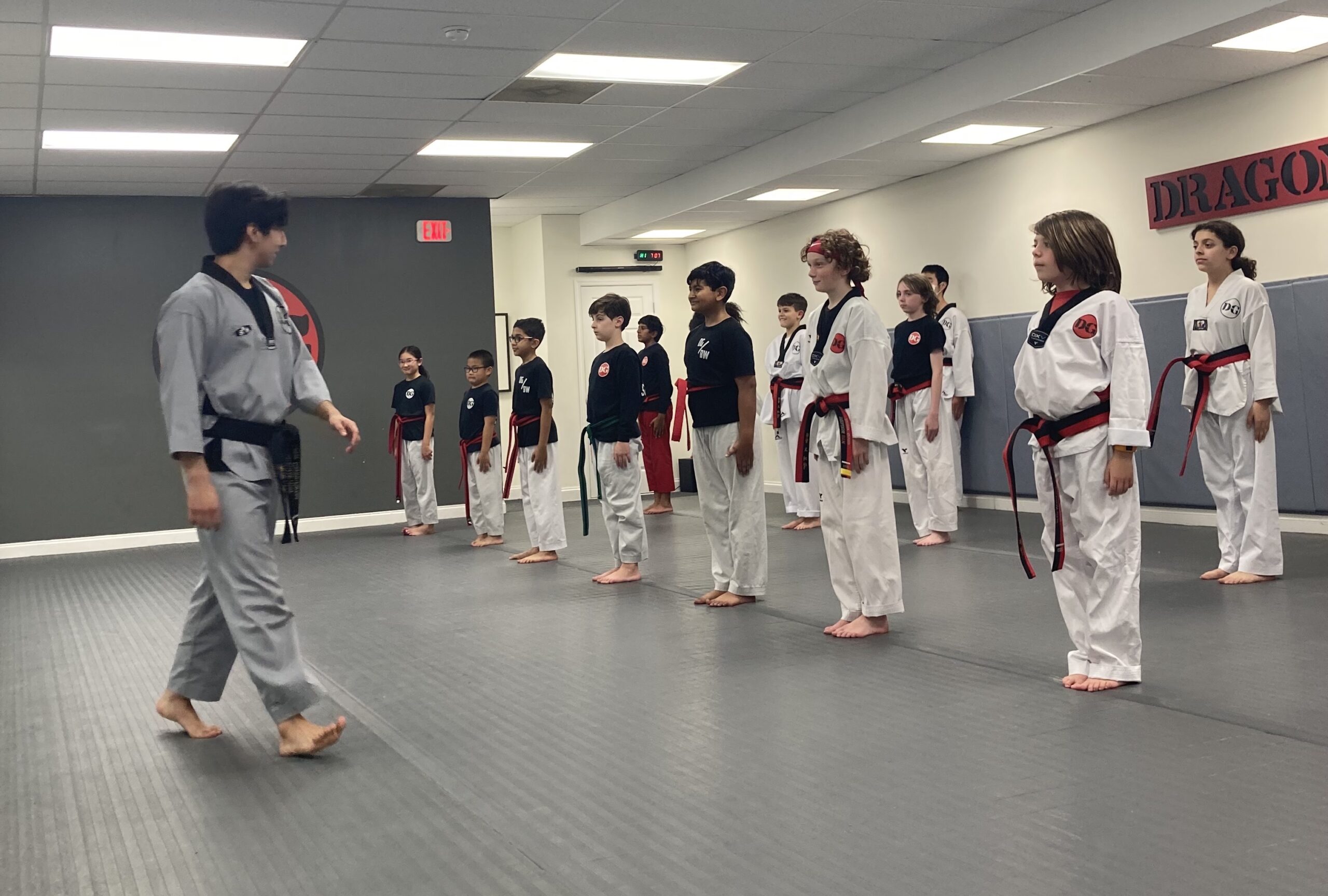
Shoes pile up near the mat. Backpacks land against the wall. A group of five year olds lines up, some excited, some quiet, some still gripping their parent’s hand a little tighter than they want to admit.

Parents usually watch from the edge of the floor.

You can tell who is nervous. You can tell who is hoping this helps with focus. You can tell who is worried their child might quit if it feels hard.

And almost every parent wonders the same thing.

Is five too young for karate?

That question shows up weekly from families in Phoenixville, Collegeville, and across Chester County. It is a fair question. At that age, kids still struggle with attention. Emotions change fast. Confidence looks fragile.

Here is the part most parents do not expect.

Starting martial arts before age six is not about learning punches or kicks early. It is about building the internal systems that shape how your child handles effort, discomfort, correction, and commitment.

Those systems form early. Much earlier than most people realize.

Why parents often wait too long

Many parents assume martial arts works best once kids are older.

They think their child needs more maturity first. More focus. More discipline. More confidence.

That logic feels reasonable. It also gets the sequence backward.

Confidence does not appear first. Competence does.

Competence comes from effort and structured practice. That practice must begin while the brain is still wiring habits around behavior, attention, and emotional regulation.

By age six, children are already forming patterns around quitting, avoiding discomfort, and relying on external motivation.

Karate, when taught correctly, interrupts those patterns early.

That is why our children’s martial arts program is structured the way it is at Dragon Gym. It is not designed to rush kids. It is designed to build foundations before poor habits take root.

You can see how we approach this inside our Phoenixville location here
https://www.dragongym.com/offices/martial-arts-classes-in-phoenixville-pa-tae-kwon-do-brazilian-jiu-jitsu.cfm

Let’s walk through the five most important reasons kids benefit from starting karate before age six.


1. Early karate builds attention before distraction becomes the default

Watch a typical five year old try to focus.

They start strong. Then something moves. Then someone coughs. Then their shoelace feels weird. Then their brain goes somewhere else.

This is not misbehavior. This is neurological development.

At ages four to six, the brain is still learning how to filter information. Attention is trainable at this stage, but only if it is practiced deliberately.

Karate class gives kids a structured environment where focus is practiced in short, achievable bursts.

We do not expect perfect stillness. We train attention through repetition.

Line up. Listen. Try. Reset. Try again.

Over time, something important happens.

Kids begin to recognize when their focus drifts. They learn how to bring it back.

That skill transfers everywhere.

Parents often tell us their child sits longer at dinner. Teachers report better classroom participation. Homework becomes less chaotic.

This is one of the most overlooked kids karate benefits.

Focus does not improve by telling kids to pay attention. It improves by training attention like a muscle.

Martial arts for five year olds creates that training without pressure or lectures.


2. Karate teaches emotional control before emotions run the household

Young kids feel everything intensely.

Excitement spikes fast. Frustration hits hard. Small problems feel enormous.

That emotional volatility is normal. What matters is whether children learn how to regulate it.

Karate introduces emotional structure early.

When a child misses a technique, we do not rescue them. We do not shame them. We guide them to breathe, reset, and try again.

When they feel nervous testing in front of others, we teach them to stand tall anyway.

This is emotional discipline in action.

Not suppression. Regulation.

Kids learn that emotions do not control behavior. They learn that effort continues even when feelings fluctuate.

This is especially important for kids self defense classes, not because of physical protection, but because emotional composure determines how a child reacts under stress.

A child who can regulate emotion thinks clearly. A child who panics does not.

Starting karate early builds calm under pressure before anxiety patterns become ingrained.


3. Discipline becomes a habit instead of a battle

Discipline often becomes a daily struggle at home.

Brush your teeth. Clean your room. Finish your homework.

Parents repeat themselves. Kids resist. Everyone gets frustrated.

Karate discipline for kids works differently.

We do not demand discipline. We build it through consistent structure.

Classes begin the same way. Expectations stay clear. Standards stay stable.

Kids know what happens next.

That predictability creates safety. Safety allows effort.

Over time, discipline stops feeling like something forced by adults. It becomes a familiar rhythm.

Show up. Line up. Try hard. Improve.

This is why martial arts for kids near me searches often come from parents who are tired of constant power struggles.

Discipline taught early becomes internal. Discipline taught later often feels imposed.

By starting before age six, kids accept structure as normal rather than negotiable.


4. Early martial arts teaches effort before talent becomes the excuse

At five years old, talent differences are obvious.

Some kids move easily. Some struggle. Some catch techniques quickly. Others need repetition.

What matters is not who learns fastest. What matters is what kids believe learning should feel like.

Karate teaches effort first.

Every child bows in. Every child practices. Every child struggles at some point.

We praise effort. We reinforce consistency. We correct technique calmly.

Kids begin to understand something powerful.

Progress comes from showing up.

This belief matters far beyond martial arts.

When kids learn early that effort creates competence, they stop relying on motivation. They stop labeling themselves as good or bad at things.

They become process focused.

That mindset supports academics, sports, relationships, and long term goal setting.

It aligns directly with the Black Belt system we teach.

A black belt is not a short term goal. It is a long term system built on attendance, effort, and patience.

Children who start early internalize this system naturally.

You can read more about how we approach confidence building in our Phoenixville kids program here
https://www.dragongym.com/blog/kids-martial-arts-in-phoenixville-pa-building-confidence-through-karate-classes.cfm


5. Consistency matters more than intensity at young ages

Parents often worry about overloading young kids.

They imagine long classes or strict training.

That is not how effective kids martial arts classes work.

Consistency beats intensity every time.

Two or three classes per week, done regularly, shapes behavior far more than occasional bursts of activity.

Kids learn to commit to something that extends beyond mood.

Some days they feel excited. Some days they feel tired. They show up anyway.

This teaches one of the most important life skills possible.

You do not quit when something feels uncomfortable.

Letting kids quit during discomfort teaches the wrong lesson. It teaches avoidance.

Martial arts offers a safe environment to practice perseverance in small, manageable ways.

Before age six, kids are highly receptive to routine. Once routines form, they become part of identity.

I am someone who trains.

That identity matters.


Why Dragon Gym starts children early

Our children’s martial arts program across Chester County is intentionally designed for early development.

We focus on:

• Clear structure
• Short focused drills
• Repetition without pressure
• Calm correction
• Consistent expectations

This approach supports kids ages five through fourteen while still meeting parents where they are.

We teach Taekwondo, Brazilian Jiu Jitsu, and foundational movement skills because each discipline reinforces different developmental needs.

You can explore the full children’s martial arts program here
https://www.dragongym.com/practice_areas/children-s-martial-arts-classes-in-chester-county-pa.cfm

Parents often expect martial arts to build confidence first.

What actually happens is deeper.

Kids develop competence through structured practice. Confidence follows naturally.

That sequence matters.


What this means for school readiness

Many families search for an after school karate program because school already feels overwhelming.

Attention demands increase. Social pressure rises. Emotional regulation becomes more important.

Karate supports school readiness in practical ways.

Kids practice listening without constant reminders. They follow multi step instructions. They learn respectful communication.

These skills support classroom behavior without relying on punishment or reward charts.

Teachers notice the difference.

Not because kids become quieter, but because they become more self directed.

That is a major advantage when children begin formal schooling.


Karate as a system for long term development

Parents often think in short windows.

This semester. This school year. This activity.

Martial arts works best when viewed as a system.

The black belt path provides a long term framework for growth.

Kids set goals. They work toward them steadily. They experience setbacks. They recover. They continue.

That system mirrors adult success patterns.

Goals matter. Systems matter more.

Children exposed to systems based goal setting early tend to apply it everywhere.

Homework. Sports. Music. Life.

That is why martial arts is not an activity in our gyms. It is a structure.


Social development without chaos

At five years old, social skills are still forming.

Kids interrupt. They struggle with boundaries. They react emotionally.

Karate teaches social awareness in real time.

Kids take turns. They wait. They encourage teammates. They learn appropriate physical contact.

Unlike free play environments, martial arts provides rules that guide interaction.

Those rules help kids feel safe socially.

This is especially helpful for children who struggle in group settings.

They learn how to belong without needing to dominate or withdraw.

Parents often notice improved peer relationships within months.


Physical literacy before specialization

Early childhood should focus on movement variety, not specialization.

Karate develops balance, coordination, spatial awareness, and body control.

These skills support all sports later.

Kids who develop physical literacy early tend to avoid injury and adapt faster when trying new activities.

Martial arts for kids near me searches often come from parents who want their child active without pressure to compete.

Karate offers physical development without comparison.

Each child progresses individually.


Safety and structure matter

Parents understandably worry about safety.

Our kids programs focus on control, awareness, and respect.

There is no uncontrolled contact. Techniques are taught gradually.

Kids learn how to fall safely, move safely, and interact respectfully.

This foundation supports kids self defense classes later as they mature.

Safety is not only physical. It is emotional.

Kids feel supported. Corrected calmly. Encouraged consistently.

That environment matters deeply at young ages.


Beyond class time

Martial arts does not stop at the mat.

Parents often report changes at home.

Better morning routines. Improved bedtime behavior. Increased responsibility.

These outcomes happen because structure carries over.

Kids recognize expectations. They understand follow through.

Martial arts reinforces what parents already want to teach.

It provides a shared language around effort, responsibility, and respect.


Community matters

Dragon Gym serves families throughout Phoenixville, Collegeville, and surrounding areas.

Our gyms are communities built around long term development.

Kids train alongside peers. Parents build relationships. Families support one another.

This matters more than most people realize.

Children develop identity partly through belonging.

Martial arts birthday parties, karate summer camp, and family events reinforce that sense of connection.

Kids feel part of something consistent.

That consistency supports emotional security.


What parents often say after starting early

We hear similar feedback repeatedly.

I wish we started sooner.
I did not expect this much improvement.
This structure helps at home.

Not because karate fixes kids, but because it gives them a framework.

Kids want structure even when they resist it.

Early martial arts provides that structure in a positive way.


A calm perspective for parents

If your child is five, you do not need perfection.

You do not need focus all the time. You do not need flawless behavior.

You need consistency.

You need an environment that rewards effort and patience.

You need a system that teaches growth over time.

That is what karate provides when started early.

This is why we do things the way we do at Dragon Gym.

We are not rushing kids.

We are building foundations.

Keep showing up. Stay consistent. Trust the process.

That is how confidence forms.

That is how competence grows.

And that is how children become capable, resilient, and steady as they grow.

Parents who understand this know they are in the right place.

What are the physical benefits of Tae Kwon Do?

Tae Kwon Do offers a variety of physical benefits, including:

  • Improved Cardiovascular Health: The high-energy movements, kicks, and sparring sessions contribute to better heart health by increasing heart rate and improving circulation.
  • Enhanced Flexibility: Tae Kwon Do involves numerous stretching exercises which significantly improve flexibility. This helps in reducing the risk of injuries, improving posture, and increasing range of motion in joints.
  • Increased Strength: Practicing Tae Kwon Do involves using body weight and resistance for various kicks, punches, and blocks, which builds muscle strength, particularly in the legs, core, and upper body.
  • Better Coordination and Balance: The discipline requires precise coordination between mind and body for executing techniques, which in turn enhances balance, especially through stances and forms (poomsae).
  • Weight Management: The rigorous workout helps in burning calories, aiding in weight loss or maintenance, thus supporting overall body composition.
  • Muscle Endurance: The repetitive nature of training, like kicking drills or holding poses, increases muscle endurance over time.
  • Bone Density: The impact from techniques like kicking and jumping can contribute to stronger bones, reducing the risk of conditions like osteoporosis over time.
  • Reaction Time and Reflexes: The fast-paced nature of sparring and drills sharpens reflexes and improves reaction times, which can be beneficial in everyday life scenarios.
  • Stress Relief: Physical activity is known to reduce stress, and the focus required in Tae Kwon Do can also help in managing stress levels through disciplined practice.
  • Injury Prevention: Learning proper techniques and body mechanics can prevent injuries not only in martial arts but in other physical activities or daily life.
  • Core Stability: Many movements in Tae Kwon Do originate from or are supported by the core, leading to improved core strength and stability.

These benefits make Tae Kwon Do not just a martial art but also an effective form of physical fitness that can be adapted to different ages and fitness levels. Remember, consistency in practice is key to realizing these benefits.

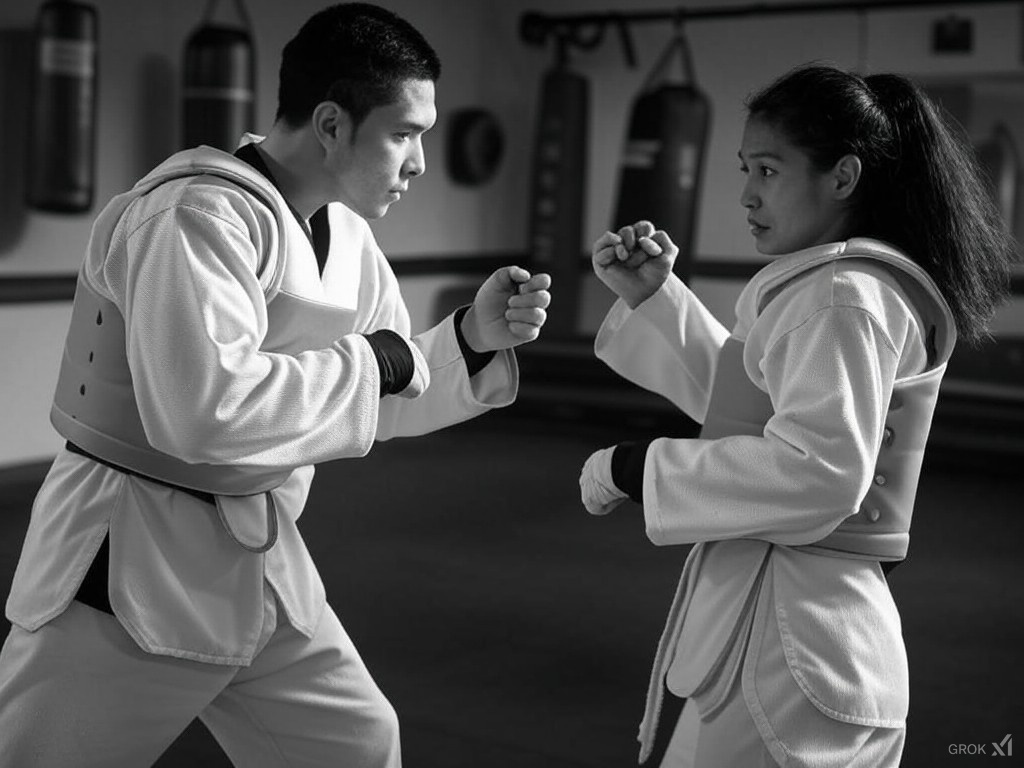
The physical benefits of Taekwondo.  Two Taekwondo Students Sparring

Setting Martial Arts Goals with Your Child for the New Year

As we enter a new year full of possibility and promise, it can be an optimal time for reflection and planning. If your child is currently partaking or interested in embarking on a martial arts journey, goal-setting becomes integral for progress, development, and success.

Through my own experiences, I’ve witnessed the power goals can harness when tempered with patience and determination. Thus, in this post, I aim to discuss the merits of goal-setting in martial arts training for kids and provide parents and children with constructive tips to create achievable, purposeful goals to kickstart the year.

Why Set Goals in Martial Arts?

Similar to other areas in life, goals in martial arts provide direction. They outline a destination to motivate children to persevere when challenges arise. More so, goals boost accountability between parent, child and instructor – ensuing all parties are aligned in their efforts.

After training across various disciplines like Taekwondo, Karate, Judo, and Jiu-Jitsu, I’ve learned that goals should extend beyond merely attaining the next belt rank. Of course, achieving milestones provides children encouragement through visible results. However, goals centered upon technique refinement, skill development, tournament participation etc. also prove meaningful.

Start by Asking Purposeful Questions

Prior to co-creating goals, inquire from your child about their aspirations in martial arts through open-ended questions. Gain insight into their reasons for joining and what excites them ahead. As their parent, share your hopes too. Alignment of purpose fuels motivation.

Probe about fears or weaknesses they aim to conquer next year. I recall consistently struggling with my kicking height as a young Tae Kwon Do student. My goal to finally execute a head-level kick remained locked for months before coming to fruition. That single goal taught me patience and hard work trump all else.

Set SMART Goals

With the purpose established, introduce your child to S.M.A.R.T goals. In my opinion, the SMART acronym represents the hallmarks of quality goals tailored to a child’s needs and level. Well-defined goals provide a roadmap children can navigate alongside consistent parental encouragement.

Specific – Precisely outline what must be achieved. Quantify and qualify each goal.

Measurable – Include metrics to tangibly track progress. Measure against personal milestones rather than peers.

Achievable – Ensure appropriateness for the child’s age and skill level based on their current baseline. Discuss with the instructor if needed. Small wins maintain vigor.

Relevant – Goals must organically tie back to your child’s larger purpose for pursuing martial arts. This fuels sustained effort.

Time-Bound – Affix target timeframes to accomplish each goal, culminating yearly. Avoid open-ended efforts lacking deadlines.

Common Child Martial Arts Goals

While personalized goals work best, the list below shares common examples I’ve observed from children across most disciplines:

  • Consistently attend classes 2x per week
  • Improve flexibility by mastering front and side splits
  • Perfect 5 different kicks up to head-level
  • Learn 5 new forms for the next belt grading
  • Increase stamina to endure 60-minute intense sparring sessions
  • Overcome fear of combat through weekly 30-minute controlled sparring
  • Enroll and participate in one local tournament

In my Taekwondo classes, I ensure students set a sparring participation goal to apply skills in simulated competition. The exhilaration of executing under pressure and spectator cheering cannot be replicated during regular sessions. Win or lose, immense growth follows.

Make Goal-Setting Interactive

Print a yearly calendar to visually map milestones over 12 months. Children gain immense satisfaction with color-coding achieved goals per quarter or month. Maintain an ongoing journal to log challenges faced, solutions implemented, breakthroughs witnessed, etc.

Re-evaluate progress mid-year. Course-correct goals become unfeasible while celebrating small wins to uplift morale for bigger battles ahead.

Share Goals with the Instructor

To enable specific feedback and coaching, inform instructors regarding individual goals early. Their deeper insights into a child’s strengths, weaknesses, and optimal next progression points become invaluable.

During regular reviews, they can provide tactical recommendations to overcome roadblocks.

For instance, upon noticing Zoey’s awkward hip rotation while perfecting her tornado kick, I suggested specific warm-up drills before class to enhance flexibility and kicking height. Her parent-teacher alignment facilitated achievement.

The Merits Outweigh All

Though extensive planning underlies effective goals, know that deviance from set plans occurs occasionally. Illnesses, injuries, waning motivation, etc. remain out of our control. I’ve witnessed children ready to quit when confronted with radical change and uncertainty.

Hence, emphasize the merits goal-achievement brings – enhanced self-esteem, self-confidence, camaraderie, and lifelong skills transferable outside the Dojang. Inspire them to view setbacks as feedback propelling them one step closer to dreams conceived together.

Developing Self-Defense Skills in Children with Martial Arts

As a parent, the safety and well-being of your child are of paramount importance. In today’s ever-changing world, it has become essential to equip our children with the necessary skills that help them stand tall in any situation. One such essential skill set is self-defense, and martial arts is an exceptional way to imbibe these skills in your child’s upbringing.

Why the Need for Martial Arts?

Although many activities help children grow and learn, martial arts offer unique benefits that other pursuits may not provide. Team sports are fantastic for teaching kids about teamwork and leadership, and solitary activities such as reading and drawing help children develop creativity and a keen sense of concentration. However, none of these activities holistically encapsulate the aspects of physical fitness, mental resilience, discipline, respect, and self-defense skills that martial arts do.

Martial arts training is not just about learning combat techniques but also about developing self-confidence, improving physical coordination, and fostering discipline. With martial arts, children learn to respect others and themselves, fostering a sense of responsibility and self-reliance.

The Long-term Benefits of Martial Arts

The benefits of martial arts go far beyond simply learning self-defense techniques. Martial arts teach children about discipline and the value of hard work, contributing significantly to their character development. The practice also builds their self-esteem, as it gives them a sense of achievement when they learn a new technique or earn a new belt.

Furthermore, martial arts are a fantastic way to improve a child’s physical fitness. They incorporate aerobic and anaerobic exercises, strength training, and flexibility, promoting overall physical health. This physical conditioning helps to reduce the risk of obesity, heart disease, and diabetes later in life.

Most importantly, martial arts teach children how to handle conflict and stress, fostering emotional and mental resilience. They learn to maintain calm and composure in challenging situations, a skill that will serve them well throughout their lives, whether in personal relationships, school, or later in the workplace.

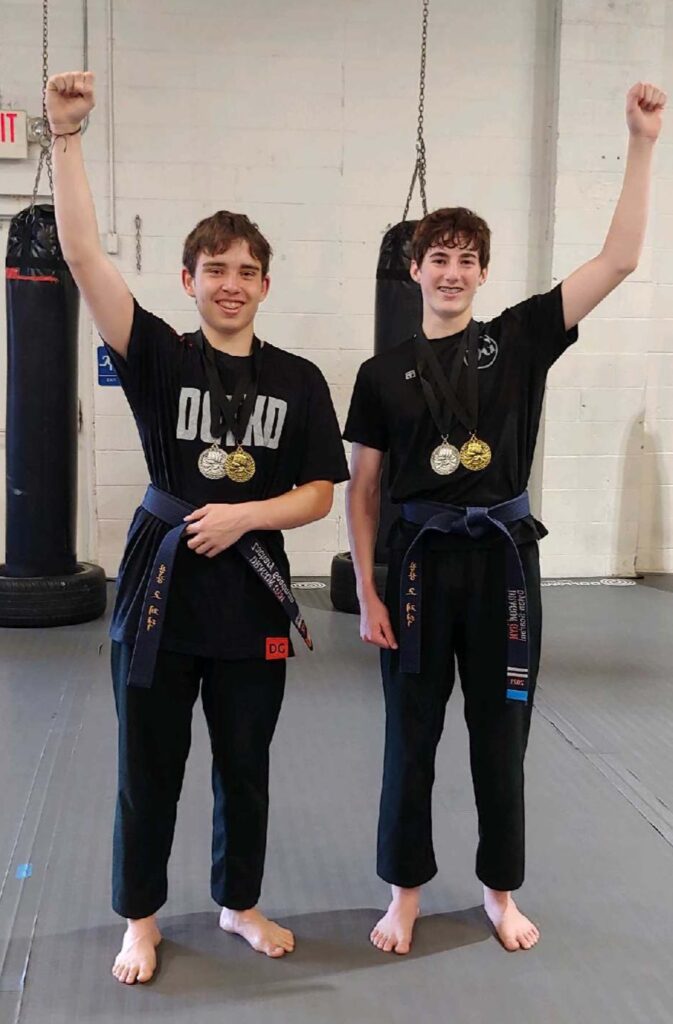
Downingtown Taekwondo Students show off their medals after a sparring tournament

Addressing Parental Concerns

It is natural for parents to have concerns about their children participating in martial arts. There is a common misconception that martial arts encourage violence, but this could not be further from the truth. Martial arts is rooted in respect, discipline, and self-control. It teaches children when and how to use these skills and underscores that they should only be used as a last resort for self-defense.

The safety of the child during training is also a top priority in martial arts schools. The techniques are taught under the careful supervision of trained professionals, ensuring a safe and nurturing environment for children to learn.

Moreover, the notion that martial arts are strictly competitive and focus only on winning is incorrect. Yes, there are competitions, but they are a part of the journey, not the end goal. The real win in martial arts is in the personal growth and development a child experiences through training.

So, as a parent, don’t let misconceptions hold you back. Enroll your child in a martial arts program and let them grow into a confident, disciplined, and healthy individual. Rest assured, the skills and values your child will learn from martial arts will guide them successfully in every walk of life. Martial arts aren’t just about fighting; it’s about equipping your child for life’s many battles.

Teaching Respect and Developing Courtesy through Martial Arts

Why Teaching Respect and Developing Courtesy through Martial Arts Could Save Your Child’s Life

As adults, we have a responsibility to teach our children respect and courtesy. In a world where technology reigns supreme and social media dominates our lives, it can be challenging to engage with our children and help them connect with the world around them. Martial arts is a proven method of teaching respect, focus, and discipline in children while also promoting physical fitness and strength.

Why Martial Arts?

Martial arts promote respect, discipline, and courtesy through a series of techniques and routines. It teaches children to respect themselves, their instructors, and their teammates. They learn to follow instructions and stay focused, even when things may get difficult or boring. Martial arts instill a sense of discipline that builds character and sets them up for success in other aspects of their life.

Building Respect and Courtesy through Martial Arts

Martial arts is rooted in the mutual respect between the teacher and student. Respect is emphasized from the very first day of class, and it is ingrained in every part of the martial art world. Children are taught to bow when entering and leaving the dojo and to show respect to their instructor and their teammates. They are expected to listen attentively and respond with ” Yes, Sir/Ma’am” when spoken to. This focus on respect helps children develop communication skills and understand the importance of listening to others.

Learning Discipline and Focus through Martial Arts

Discipline and focus are essential skills that serve children throughout their lives. Martial arts help teach children how to stay focused and disciplined, even when things may get challenging or frustrating. The practice of martial arts requires children to learn a series of skills and techniques step-by-step. Children learn the importance of hard work and practice, and how it yields results.

The Power of Repetition in Martial Arts Training

Repetition is a key component in martial arts training. Martial arts classes repeat the same drills over and over again until it becomes second nature. This aspect of martial arts training teaches children the importance of repetition and practice to achieve their goals. It also helps improve their coordination and muscle strength as they develop their skills.

Take Action!

Do you want your child to develop the essential skills of respect and courtesy? Enrolling your child in martial arts classes is the key to unlocking their full potential. Don’t wait any longer, sign them up for lessons today!

Conclusion

In conclusion, teaching respect and developing courtesy through martial arts is essential for the growth and development of children. It is an excellent way to teach discipline, focus, and respect while also providing a fun physical activity for children.

The repetition and practice required in martial arts help children develop an inherent work ethic and discipline that serves them throughout their lives. By enrolling your child in martial arts classes, you are laying the foundation for a strong and successful future.

Boost Your Child’s Social Skills with Kids Martial Arts Classes in Downingtown, PA

Martial arts classes are not just about physical fitness or self-defense. They can also play an important role in improving your child’s social skills.

In Downingtown, PA, there are many options for Kids Martial Arts Classes that can provide a supportive and structured environment that encourages social interaction and communication.

Here are a few ways in which martial arts can boost your child’s social skills.

  1. Teamwork: Martial arts classes provide an opportunity for children to work together in pairs or groups. They learn to communicate, collaborate and support their partners, developing teamwork and leadership skills that are important for building positive relationships with others.
  2. Respect: Respect is a fundamental value taught in martial arts classes. Children learn to respect their instructors, peers, and opponents, as well as themselves and their abilities. This helps build positive relationships based on mutual respect and understanding.
  3. Confidence: Martial arts training helps build confidence and self-esteem. As children learn new skills and techniques, they develop a sense of pride in their abilities. This confidence translates into better social skills, as children feel more comfortable interacting with others and expressing themselves.
  4. Communication: Effective communication is essential for building positive relationships. Martial arts classes provide an opportunity for children to practice communication skills, such as listening and speaking clearly, leading to stronger social skills that will serve them well in all areas of life.
  5. Empathy: Martial arts training encourages children to develop empathy and understanding for others. Through partner drills and sparring, children learn to respect their opponent’s abilities and boundaries. This helps them develop compassion and empathy, which are essential for building positive relationships with others.
  6. Positive Reinforcement: Martial arts classes provide an environment that encourages positive reinforcement. Instructors often use praise and positive feedback to motivate students, which helps build self-esteem and confidence. This positive reinforcement also encourages children to be supportive and encouraging towards their peers, which helps build positive relationships.
  7. Conflict Resolution: Martial arts training teaches children how to identify and manage conflicts in a constructive way. This helps children develop problem-solving skills and promotes positive relationships based on effective conflict resolution.

In conclusion, if you are looking for a way to boost your child’s social skills in Downingtown, PA, consider enrolling them in Kids Martial Arts Classes.

Through teamwork, respect, confidence, communication, empathy, positive reinforcement, and conflict resolution, martial arts classes can help children build positive relationships that will serve them well throughout their lives.

Be sure to do your research and find a reputable instructor experienced in teaching children.

Explore Self-Defense with Tae Kwon Do: Benefits, Techniques & Classes near Downingtown, Chester County

Are you looking for a fun and practical way to stay fit while learning valuable self-defense techniques? Look no further than Tae Kwon Do! This Korean martial art is not only a great form of exercise but also a way to develop the mindset and skills needed to protect yourself in real-life situations. In this blog post, we’ll explore the benefits of exploring self-defense with Tae Kwon Do and why Downingtown Tae Kwon Do may be the perfect place for you to start your journey.

Developing a Self-Defense Mindset

One of the biggest benefits of practicing Tae Kwon Do is developing a self-defense mindset. This means learning how to stay aware of your surroundings and potential threats, as well as having the confidence and ability to protect yourself if necessary. Tae Kwon Do classes often include drills and scenarios that simulate real-life situations, allowing you to practice and hone your skills in a safe and controlled environment.

Learning Self-Defense Techniques

In addition to developing a self-defense mindset, Tae Kwon Do also teaches a variety of techniques that can be used in self-defense situations. These techniques include strikes, kicks, blocks, and grappling moves, all of which are designed to quickly and efficiently neutralize an attacker. By practicing these techniques in class, you’ll not only improve your physical abilities but also develop the muscle memory needed to react quickly and effectively in a real-life situation.

Practical Applications

Of course, the ultimate goal of learning self-defense is to be able to apply these techniques in practical situations. Tae Kwon Do is particularly effective in self-defense situations because it emphasizes powerful and precise strikes, allowing you to quickly neutralize an attacker and create distance between you and the threat. Additionally, Tae Kwon Do classes often include situational awareness training, teaching you how to spot potential threats and avoid dangerous situations before they escalate.

Why Downingtown Tae Kwon Do?

If you’re looking for Tae Kwon Do classes near Downingtown, look no further than Downingtown Tae Kwon Do! With a team of experienced and dedicated instructors, we offer a fun and supportive environment for students of all ages and abilities. Our classes are designed to challenge you physically and mentally, while also providing practical self-defense skills that can be used in real-life situations.

In addition to our Tae Kwon Do classes, we also offer other martial arts programs, including Brazilian Jiu-Jitsu and Muay Thai, allowing you to explore a variety of disciplines and find the one that best suits your interests and goals. Plus, our facility is conveniently located in Chester County, making it easy to fit classes into your busy schedule.

Downingtown Tae Kwon Do and Self Defense Classes for Teens and Adults

If you’re searching for Tae Kwon Do classes near Downingtown or Chester County martial arts, look no further than Downingtown Tae Kwon Do. Our experienced instructors will help you develop a self-defense mindset and teach you valuable techniques that can be used in practical situations.

Plus, our classes are designed to be fun and challenging, providing a great workout while also improving your physical and mental abilities.

Teaching Kids Self-Discipline with Martial Arts Classes

As a parent, you want to raise your child to be well-rounded, resilient, and disciplined. However, instilling these values in your child can be a challenging task, especially in today’s world, where distractions are abundant, and technology seems to be taking over our lives. This is where martial arts classes can help.

If you’re interested in enrolling your child in Tae Kwon Do classes in Downingtown, read on to learn more about how martial arts can benefit your child’s personal development.

Martial arts classes offer a unique blend of physical activity and mental training that can help kids develop essential life skills like self-discipline, self-control, and focus. The structured and disciplined environment of martial arts classes can help children learn how to set and achieve goals, develop a strong work ethic, and persevere through challenges.

One of the key principles of martial arts is respect, which is instilled in students from the very beginning. Students learn to show respect to their instructors, peers, and themselves. Through this, they develop a sense of responsibility and self-awareness, which are critical skills for success in life.

In addition to teaching self-discipline and respect, martial arts classes also provide a safe and supportive community for kids to grow and learn. Children are encouraged to work together and support each other, creating a positive and uplifting atmosphere that fosters growth and development.

Whether your child is shy and introverted or outgoing and confident, martial arts classes can be a valuable tool in helping them develop the skills and mindset they need to succeed in life. So why not consider enrolling your child in martial arts classes today? It could be one of the best decisions you ever make for your child’s future.

If you’re in Downingtown and looking for a way to teach your child self-discipline and respect, consider enrolling them in Tae Kwon Do classes at the Dragon Gym.